Electrical systems are easy to overlook. Most wiring sits behind walls, above ceilings, or inside distribution boards, quietly powering the day-to-day running of a building. But as installations age, faults can develop. Cables deteriorate. Connections loosen. Circuits become overloaded as businesses add more equipment.
That is where fixed wire testing comes in.
Fixed wire testing is the inspection and testing of a building’s electrical installation. It checks the condition of fixed wiring, distribution boards, circuits, sockets, lighting, protective devices, and earthing arrangements. The aim is simple: to confirm that the installation is safe for continued use and to identify any faults before they become a risk.
At the end of the inspection, you receive an Electrical Installation Condition Report, commonly known as an EICR.
What does fixed wire testing involve?
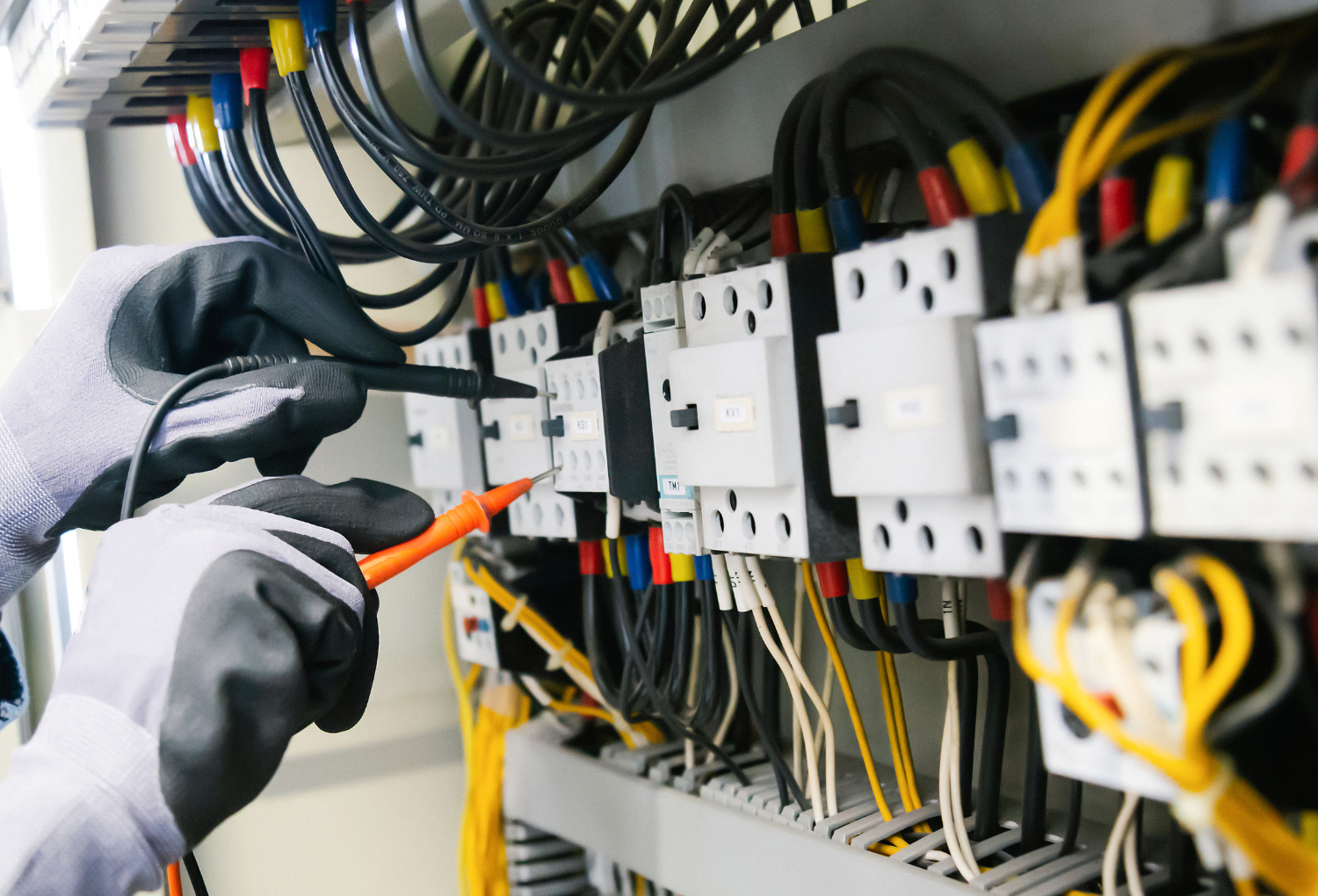
During EICR testing, a qualified electrical contractor carries out a combination of visual checks and electrical tests. This may include inspecting distribution boards, checking circuit protection, testing insulation resistance, confirming earthing and bonding, and looking for signs of overheating, damage, wear, or poor installation work.
The report will record the condition of the installation and highlight any issues using standard classification codes. These usually include:
C1: Danger present. Immediate action is required.
C2: Potentially dangerous. Urgent remedial work is needed.
C3: Improvement recommended, but not classed as immediately dangerous.
FI: Further investigation required.
For businesses, this report gives a clear record of the electrical condition of the premises and any work needed to keep the installation safe.
Why is fixed wire testing important for businesses?
The biggest reason is safety. Faulty electrical installations can lead to electric shock, fire, equipment damage, and costly disruption. Many faults are not visible during normal use, so regular testing is the most reliable way to find them.
There is also a legal duty to manage electrical safety in the workplace. The Electricity at Work Regulations require electrical systems to be maintained to prevent danger, and the HSE states that the type and frequency of inspection and testing depends on the equipment, environment, and previous results.
A valid commercial EICR can also support insurance requirements, risk assessments, landlord responsibilities, and wider health and safety compliance. For property managers, facilities teams, landlords, and business owners, it provides evidence that electrical safety has been properly considered.
How often is commercial fixed wire testing needed?
There is no single interval that applies to every site. The IET explains that inspection and testing intervals should be based on the type of installation, how it is used, maintenance quality, and external influences.
As a general guide, many commercial premises arrange commercial fixed wire testing every five years. Higher-risk environments, such as industrial sites, healthcare settings, leisure facilities, workshops, or buildings exposed to moisture, dust, or heavy use, may need testing more often.
The previous EICR should state the recommended date for the next inspection. If you have recently taken over a building, changed its use, completed major works, or noticed signs such as tripping circuits, burning smells, damaged sockets, or flickering lights, it is sensible to book an inspection sooner.
Understanding EICR requirements
For businesses, EICR requirements are linked to duty of care, workplace safety, insurance conditions, and the need to maintain electrical systems in a safe condition. Landlords in rented sectors also have specific inspection duties, including checks by a qualified person at least every five years in many rented property settings.
A qualified contractor will help confirm the right testing frequency for your premises and explain any remedial work clearly. This matters because an EICR is not just a certificate to file away. It is a practical safety document that helps you prioritise repairs and plan maintenance.
Book commercial EICR testing with Highland Services
Highland Services provides NICEIC-approved electrical services for commercial, industrial, and public sector clients, including electrical testing, compliance inspections, planned maintenance, installations, and emergency repairs. We have more than five decades of experience and work across South Wales.
If your business needs fixed wire testing, a new commercial EICR, or advice on testing intervals, our team can inspect your installation and provide clear reporting in line with current standards.
Need to arrange fixed wire testing or book a commercial EICR for your premises? Get in touch with us for clear advice, professional testing, and reliable electrical compliance support.
Contact our team to discuss your EICR testing requirements and book an inspection.