Managing a commercial property involves balancing occupant comfort, operational efficiency, and strict statutory safety standards. For duty holders and estate managers across the UK, keeping physical premises safe requires a proactive, structured approach to facility management.
Navigating complex building regulations can feel overwhelming without a clear roadmap to guide your routine site inspections. Establishing an organised facilities management checklist ensures that essential mechanical, electrical, and structural maintenance tasks are completed on time.
At Highland Services, our multi-disciplined team delivers complete building maintenance, mechanical contracting, and civil engineering solutions. We help facility managers maintain safe, legal, and efficient workplaces through structured compliance audits and ongoing property support.
Essential Fire Safety Checklist Audits and Containment Measures
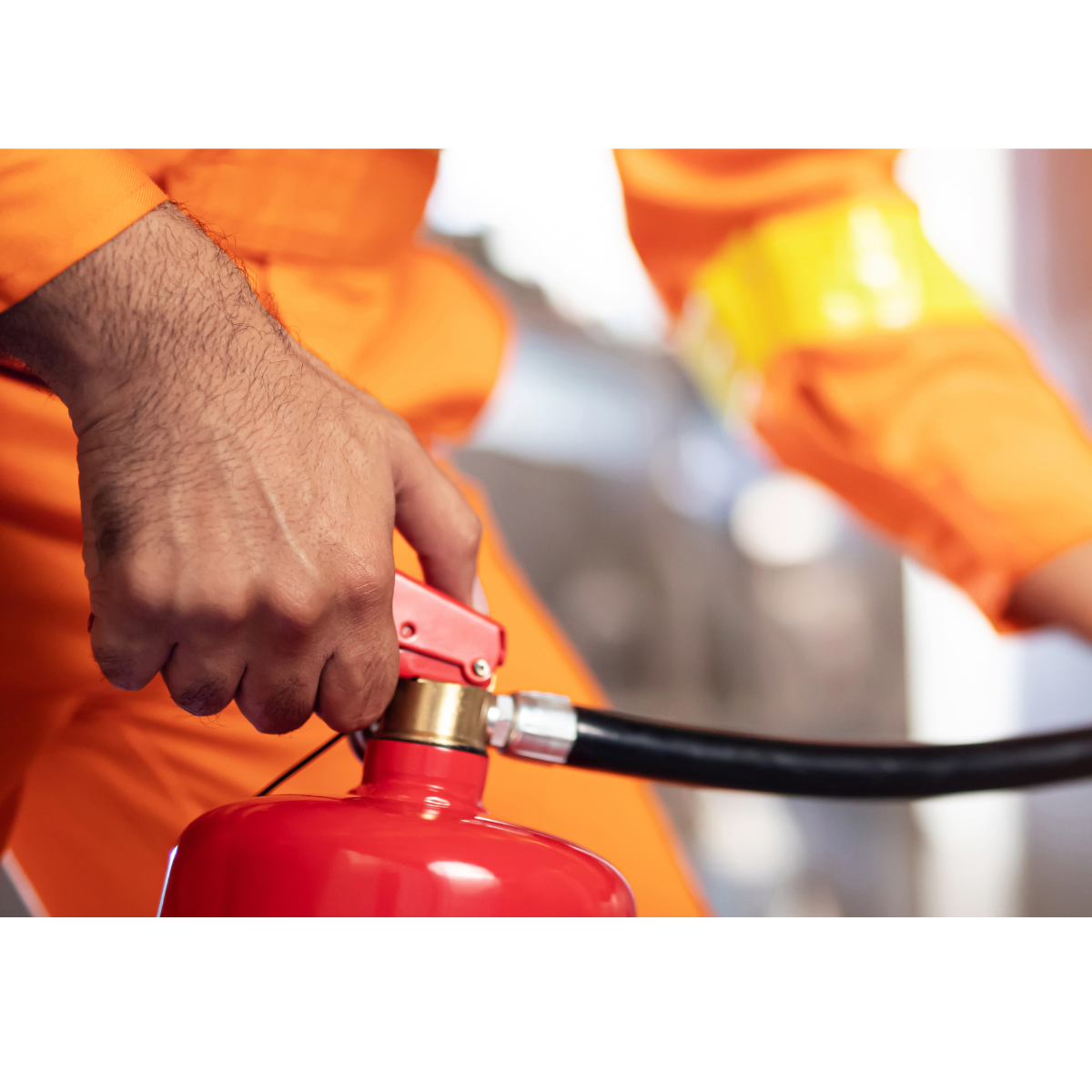
Fire safety forms the cornerstone of commercial compliance, requiring regular physical inspections and detailed administrative checks. Responsible persons must ensure that alarm systems, emergency lighting, and fire extinguishers undergo routine functional testing by competent engineers.
In addition to active systems, you must regularly inspect physical containment structures, including certified fire doors and wall penetrations. Reviewing our guide on how to prepare for a fire risk assessment helps ensure your physical barriers and safety logbooks meet current legal standards.
Maintaining a comprehensive fire safety checklist prevents dangerous escape route obstructions and ensures compliance with statutory regulations. Keeping fire barriers sealed and safety equipment fully serviced protects both site occupants and commercial building assets.
Electrical Systems, Testing, and Your Building Safety Checklist
Electrical infrastructure requires continuous oversight to prevent workplace hazards, power interruptions, and accidental electrical fires. Facilities managers must arrange periodic Electrical Installation Condition Reports (EICR) to verify the safety of hidden distribution circuits and consumer units.
Alongside fixed wire testing, routine Portable Appliance Testing (PAT) ensures that staff equipment, appliances, and portable tools remain safe for daily use. Thermal imaging surveys can also detect overloaded circuits and loose connections before they trigger unexpected equipment failures.
Integrating these routine checks into a broader building safety checklist protects your workforce and satisfies strict insurance policy conditions. Keeping up with statutory electrical testing guarantees operational continuity across your entire commercial estate.
Mechanical Maintenance and Your Facilities Management Checklist
Heating, ventilation, air conditioning, and water systems require strict routine servicing to maintain safe indoor environmental quality. Inadequate HVAC maintenance can lead to poor air filtration, energy inefficiency, and non-compliance with workplace health and safety standards.
Water safety is equally critical, requiring regular water temperature logging and professional Legionella risk assessments to prevent bacterial contamination. Modern commercial premises must also ensure backflow prevention valves and pressurised heating vessels receive certified annual maintenance checks.
Partnering with specialists in plumbing, heating, and ventilation guarantees your mechanical systems remain energy-efficient, reliable, and fully compliant. Including HVAC and water checks in your facilities management checklist ensures complete compliance during environmental health audits.
Structural Integrity, Access Equipment, and Building Maintenance Checklist
Maintaining physical building envelopes involves inspecting roofs, gutters, masonry, and perimeter fencing for wear or structural damage. Neglecting minor exterior defects can lead to water ingress, timber decay, and costly emergency repairs down the line.
Additionally, access control systems, automatic doors, and emergency exit hardware require routine mechanical servicing to operate smoothly. Statutory checks on lifting equipment, eye bolts, and fall-arrest systems ensure maintenance contractors can work safely at height across your site.
Including physical asset inspections in your routine building maintenance checklist prevents unexpected structural failures and preserves property value. Taking a preventative approach to fabric repairs protects occupants and keeps your commercial site looking professional.
Streamlining Your Building Compliance Checklist for Long-Term Safety
Achieving ongoing regulatory compliance requires strong organisational processes, clear record-keeping, and reliable technical partners. Consolidating your inspection records into a centralised building compliance checklist ensures your team is always ready for official audits and inspections.
Working with an integrated building partner simplifies facility management by combining mechanical, electrical, and construction expertise under one roof. This collaborative approach reduces administrative stress, minimises operational downtime, and keeps your entire commercial estate running safely.
If you are ready to review your property compliance or need expert maintenance support, our multi-disciplined team is here to assist. Please contact Highland Services today to discuss your site requirements and book a comprehensive building survey.