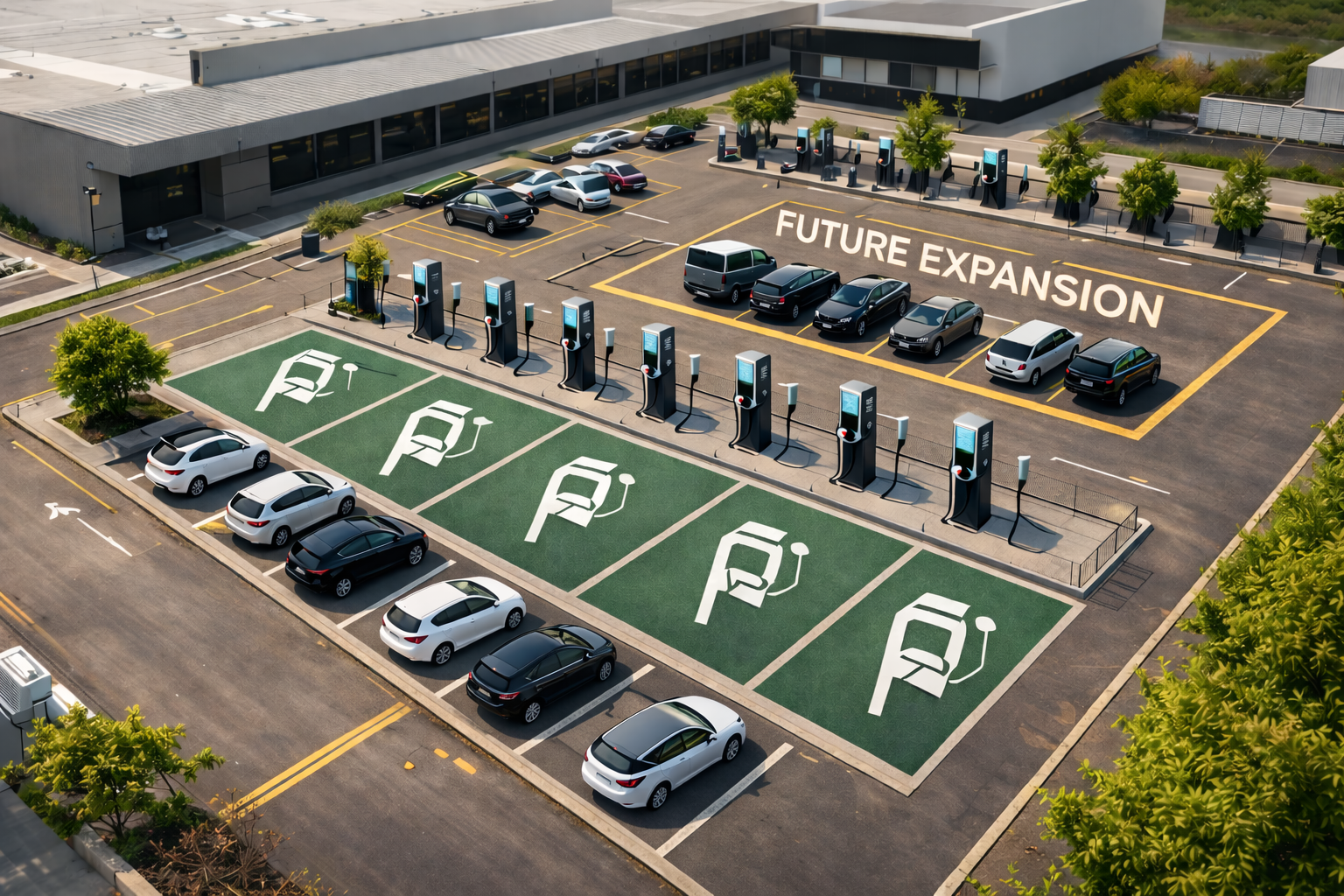
Electric vehicles are no longer a future consideration for commercial sites. They are already shaping how businesses think about energy use, infrastructure, and long-term growth. For organisations installing commercial EV charging, the real challenge is not just meeting today’s demand. It is making sure the electrical capacity can support what comes next.
Commercial sites across the UK are seeing steady increases in EV charging demand. Offices, depots, retail locations, and mixed-use developments all face similar pressures. Early planning plays a key role in avoiding costly upgrades later on.
Why electrical capacity matters from day one
Many sites begin with a small number of chargers. That might suit current needs, but EV adoption continues to rise across company fleets, employee vehicles, and customer charging. Without proper electrical capacity planning, systems can quickly reach their limits.
If capacity is underestimated, adding more chargers later may require new cabling, switchgear upgrades, or even a new grid connection. These changes are disruptive and expensive. Planning ahead allows expansion without reworking the entire electrical setup.
Commercial EV charging and long-term site growth
When installing commercial EV charging, capacity should be treated as a long-term asset. This means assessing how many chargers may be required in five or ten years, not just how many are needed today.
A future-ready approach considers:
- Expected EV uptake across staff or fleet vehicles
- Visitor or customer charging demand
- Charger speed upgrades over time
- Site operating hours and peak electrical loads
Designing for expansion allows chargers to be added in phases, keeping disruption low while spreading investment sensibly.
EV charger power requirements explained
One of the most common issues in EV projects is misunderstanding EV charger power requirements. A single charger may appear manageable, but multiple units operating together can place significant demand on a building’s supply.
For example:
- A standard 7kW charger is modest on its own
- Multiple chargers running at the same time create a high combined load
- Faster chargers increase demand further
Understanding load diversity, peak usage patterns, and spare capacity is essential. This ensures chargers operate reliably without impacting other building systems.
Building a scalable EV charging infrastructure
A well-designed EV charging infrastructure supports both current use and future growth. This involves more than installing chargers. It includes supply sizing, distribution design, and intelligent control options.
Key considerations include:
- Available incoming supply and headroom
- Load management systems to balance demand
- Distribution boards designed with spare capacity
- Cabling routes that allow easy extension
This approach helps maintain stable EV charging capacity as demand grows, without unnecessary upgrades.
Electrical capacity EV charging for commercial sites
Effective electrical capacity EV charging planning often begins with a detailed site assessment. This reviews existing electrical assets and identifies constraints early.
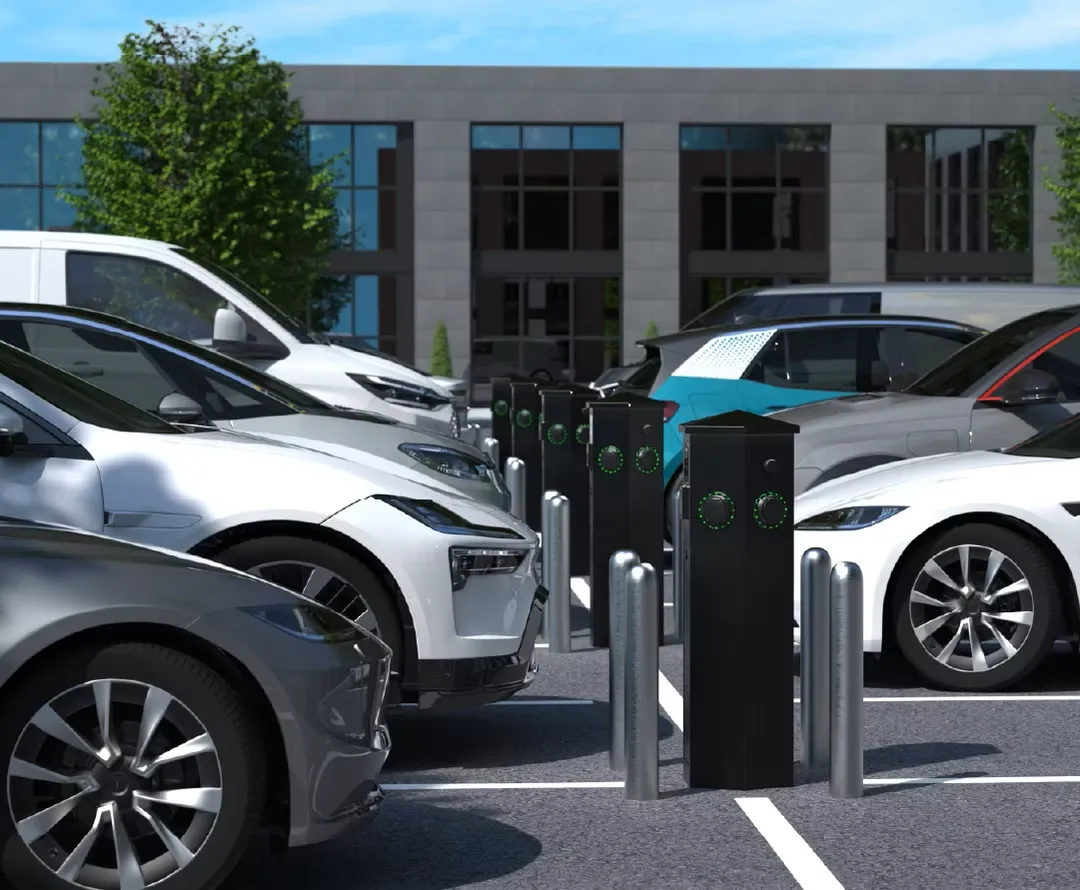
Highland Services are verified suppliers of Rolec EV charging stations, specialising in the supply and installation of Rolec charging points for commercial environments. Rolec chargers are widely used across workplaces, retail sites, and fleet locations due to their reliability and flexible configuration options. Working with an approved Rolec partner ensures equipment is correctly specified, installations meet current regulations, and systems are designed with future electrical capacity in mind.
By addressing capacity at the design stage, businesses gain:
- Predictable costs
- Faster future charger rollouts
- Reduced downtime
- Improved compliance and safety
This also supports sustainability objectives by allowing smoother transitions to electric fleets and lower-emission transport.
Official UK Government guidance for EV chargepoint installers highlights the importance of compliant installation, correct system design, and suitable electrical capacity when delivering commercial EV charging projects.
Getting expert support early
EV charging projects work best when electrical planning is handled by experienced professionals. At Highland Services, commercial clients receive clear guidance on supply limits, expansion options, and compliance requirements. This ensures EV installations remain safe, scalable, and aligned with business growth.
Early consultation helps avoid unnecessary disruption while allowing EV charging systems to grow in line with demand.
Planning EV charging for your commercial site?
Contact Highland Services to discuss electrical capacity planning and Rolec EV charging installations built to support future expansion.