Investing in effective surveillance is a key step toward securing modern premises and protecting important commercial assets. For business owners and facility managers across the UK, installing CCTV provides crucial deterrence, loss prevention, and workplace accountability.
However, selecting and installing these setups requires far more than simply mounting cameras to exterior walls and plugging them in. Modern corporate environments demand careful strategic planning regarding camera coverage, data compliance laws, technical integration, and ongoing system maintenance.
At Highland Services, our multi-disciplined team offers complete building maintenance, mechanical work, and electrical solutions for regional commercial properties. We help commercial organisations design, install, and maintain fully compliant infrastructure that safeguards premises, staff, and visitors around the clock.
Assessing Coverage Needs and Commercial CCTV Systems Design
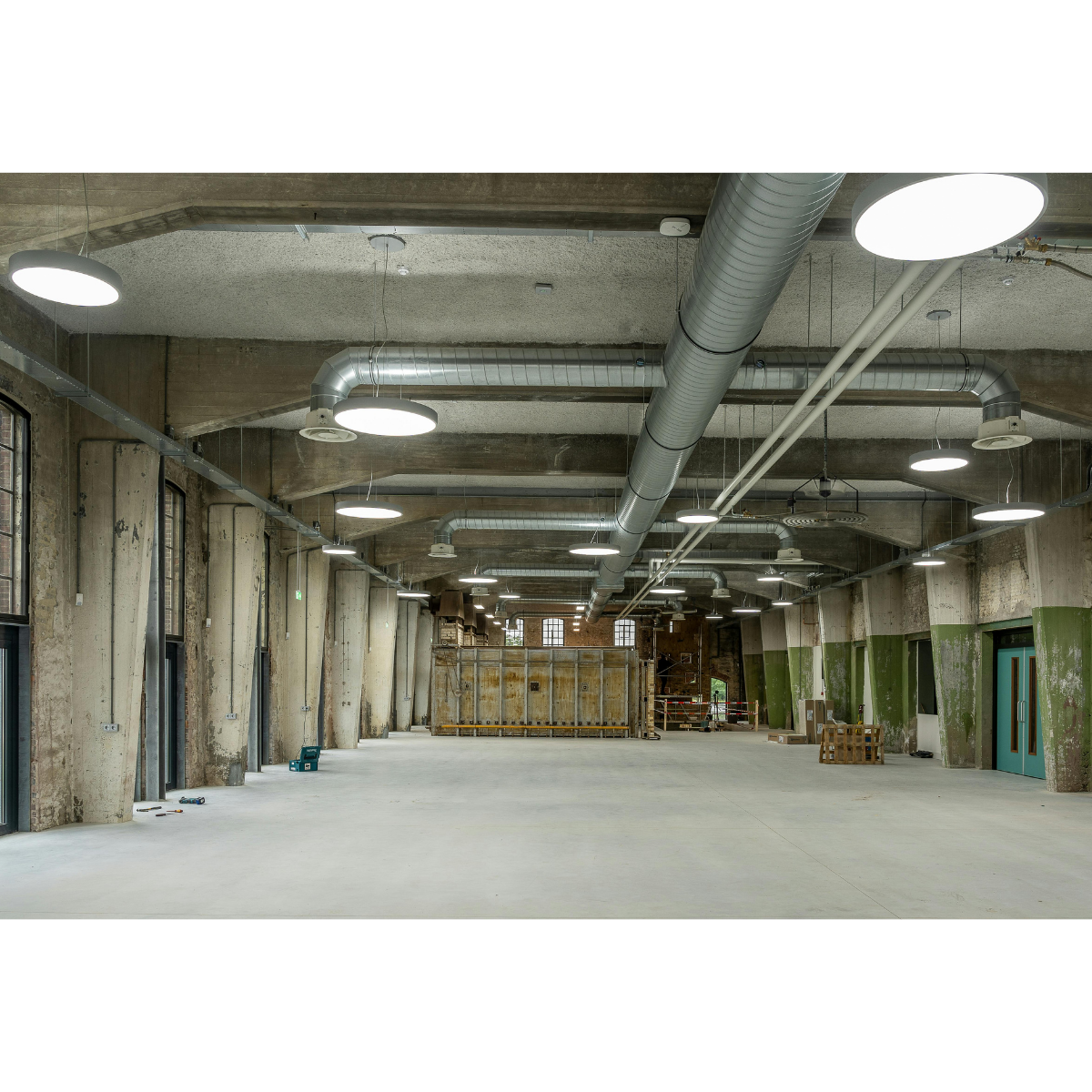
Before investing in new hardware, you must conduct a thorough physical security assessment of your entire commercial property. Identifying vulnerable entry points, high-value storage zones, blind spots, and busy staff pathways helps determine the precise camera locations required.
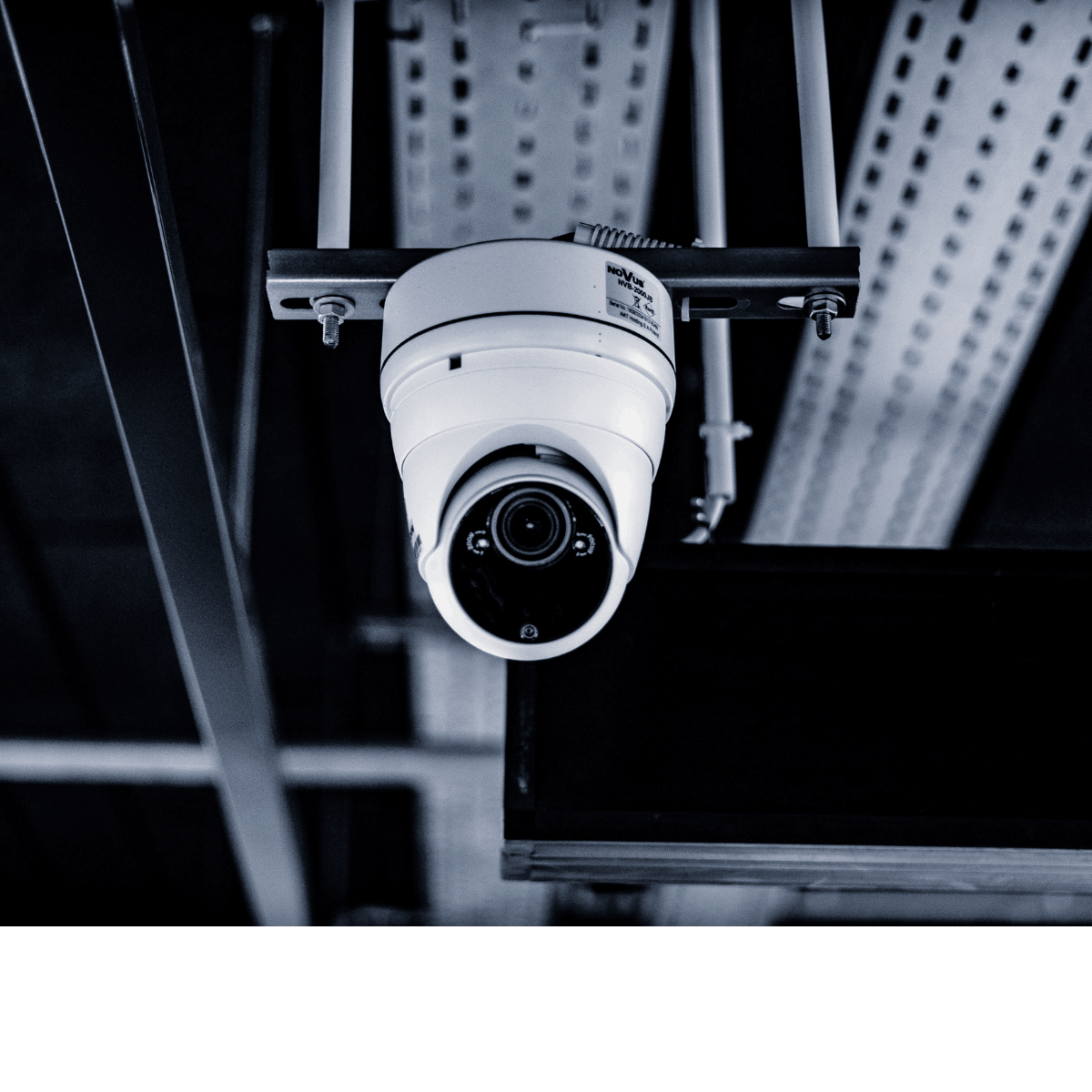
Choosing between high-definition IP cameras, multi-sensor units, or pan-tilt-zoom devices depends heavily on your specific operational layout and lighting conditions. For instance, pairing outdoor perimeter cameras with adequate commercial lighting setups ensures crisp video capture during night-time hours.
Working with experienced professionals ensures that your commercial CCTV systems are designed with appropriate focal lengths and resolution standards. This technical precision avoids over-specifying costly equipment while guaranteeing that recorded video footage remains clear, detailed, and usable when required.
Data Protection Legislation and CCTV Signage Requirements UK
Operating surveillance equipment in a workplace involves strict legal responsibilities under UK data protection laws and GDPR guidelines. Because video recordings capture identifiable personal data, your business must register with the Information Commissioner's Office as a registered data controller.
A vital legal requirement involves displaying clear, prominent notices that satisfy official CCTV signage requirements and UK guidelines across all monitored entrances. These signs must inform staff and visitors that recording is active, state your company name, and provide clear contact details.
Additionally, you must establish secure data retention policies to prevent storing video footage longer than necessary for legitimate operational purposes. Restricting system access to authorised personnel ensures your organisation protects individual privacy rights while remaining fully compliant with national regulations.
Integrating Commercial Security Systems with Existing Infrastructure
Modern commercial CCTV setups deliver maximum value when integrated into a unified, broader building management and protection framework. Connecting your cameras directly to access control barriers, intruder alarms, and automated fire systems creates an interconnected safety network across your site.
For example, integrating CCTV for business premises with access control logs allows site managers to verify door entries against real-time video feeds automatically. This multi-layered approach streamlines daily facilities management and allows security staff to respond rapidly to any potential security breaches.
Furthermore, deploying advanced network-attached storage or secure cloud management enables remote monitoring from off-site mobile devices or central control hubs. Choosing flexible business CCTV systems allows your business to scale security infrastructure smoothly as your commercial site expands.
Quality Workmanship in Commercial CCTV Installation and Maintenance
The overall reliability of your surveillance network depends heavily on the technical standard of the physical installation itself. Professional installers ensure that all outdoor cabling is enclosed within weatherproof conduit and that power supplies remain shielded from interference or tampering.
Skilled engineers also configure local area network switches correctly, preventing video streaming bandwidth from slowing down your daily corporate IT activities. Investing in certified commercial CCTV installation guarantees that camera mountings, power over ethernet switches, and video recorders function reliably year-round.
Finally, establishing a regular preventative maintenance schedule is essential for keeping lens glass clean, checking cable integrity, and updating system firmware. Partnering with accredited contractors ensures your overall commercial security systems perform flawlessly during emergency incidents when you need them most.
Conclusion
Installing a modern commercial CCTV network is a strategic investment that safeguards commercial property, protects employees, and lowers corporate liability risks. Considering physical coverage needs, legal privacy obligations, and technical integrations ensures your organisation builds a reliable, future-proof protection network.
Failing to follow statutory regulations or using sub-standard hardware can lead to costly fines, unrecorded property losses, and compromised site safety. Taking a planned, professional approach to property security ensures long-term operational resilience and complete peace of mind for your business.
If you need expert guidance designing, installing, or maintaining your commercial property infrastructure, our multi-disciplined team is ready to support you. Please contact Highland Services today to discuss your site requirements and book a comprehensive building survey.