Rewiring a commercial property is a significant task. For business owners, knowing what’s involved can make the difference between a smooth upgrade and unexpected downtime. This guide explains the typical commercial property rewiring process. It also shows why hiring professional commercial electrical rewiring services – like those offered by Highland Services – is important.
Why Rewiring a Commercial Building Matters
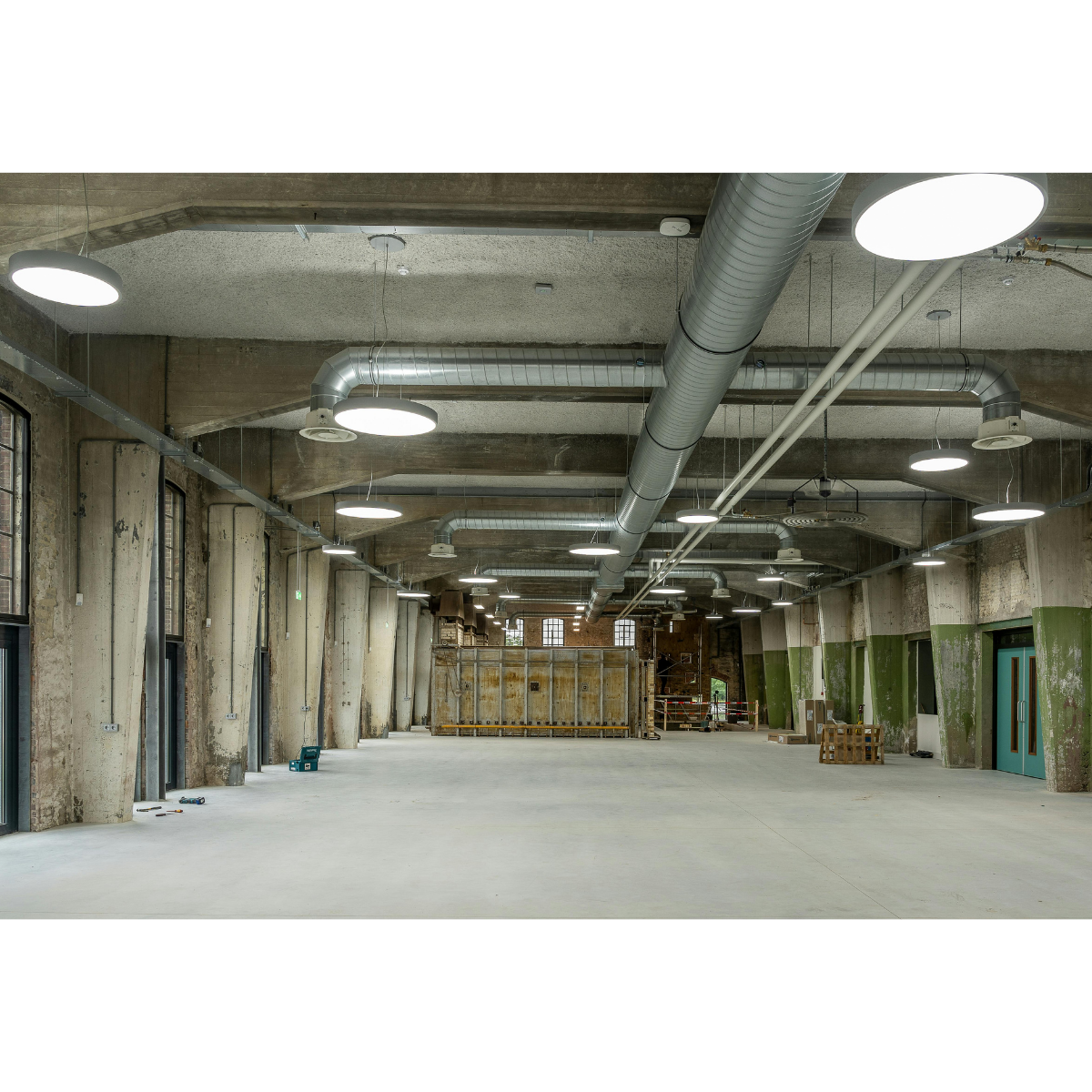
Older commercial buildings often rely on outdated wiring. Over time, wiring can degrade or become unsafe for modern equipment. Upgrading electrical systems improves safety, ensures compliance, and supports heavier loads – from computers and servers to lighting and machinery.
For any business thinking about an upgrade, understanding the steps in a commercial rewiring process is the first move.
Step 1: Assessment & Planning
Every rewiring project begins with a full inspection. A qualified commercial electrician will survey the building’s current wiring. They’ll check for hazards, out-of-date cabling, overloaded circuits, and layout challenges.
Based on that assessment, they devise a plan. That includes routing, circuit design, expected load capacity, and potential upgrades for sockets, lighting, and safety devices like RCDs or emergency lighting.
At Highland Services, our team often combines this work with an EICR and electrical safety check – so you get all compliance matters addressed before rewiring begins.
Step 2: Design & Load Calculations
After inspection, the electrician calculates the power requirements. Commercial spaces often run on complex circuits that must handle heavy equipment, HVAC, lighting, or IT infrastructure.
The wiring plan reflects those load calculations. It also considers future growth – for example, extra sockets or higher capacity lighting circuits. Good planning at this stage helps avoid overloading and ensures long-term reliability.
Step 3: Removal of Old Wiring & Preparation
Once planning is approved, the next step is carefully removing old wiring or obsolete elements. In older buildings especially, cables may run through walls, ceilings, or under floors.
The removal process is carried out with care, to avoid structural damage or disruption to ongoing business activities. This stage is crucial for older commercial buildings needing a full electrical upgrade.
Step 4: Installation of New Wiring & Components
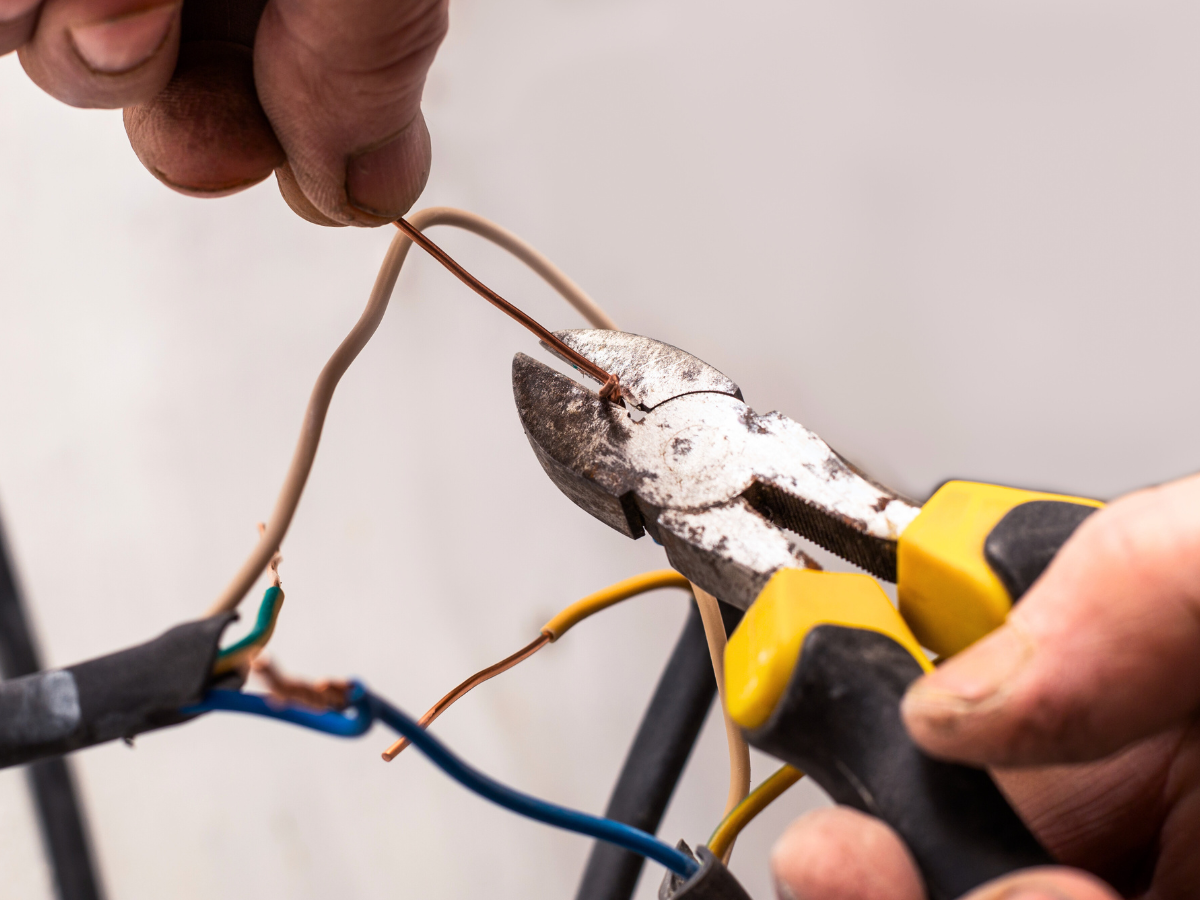
With old wiring cleared, installation begins. Electricians run new cables, install new fuse boards or consumer units, and set up circuits based on the design.
They also fit sockets, light fittings, emergency lighting, fire alarm interfaces if needed, and safety devices. Once wiring is in place, it’s time for termination, labelling and connection to distribution boards.
Highland Services can provide full commercial electrical installation and rewiring – ensuring every component meets current standards and business needs.
Step 5: Testing & Certification
After installation, thorough testing is essential. That includes insulation testing, polarity checks, load testing and RCD checks where required.
Once tests pass, the building gains compliance status. The client receives documentation – often part of a comprehensive EICR and electrical compliance certificate. This paperwork is important for safety records and regulatory compliance, especially in rented or leased commercial properties.
Step 6: Final Inspection & Handover
The last step is a final inspection. The electrician walks through circuits with the business owner, showing any new features, labelling and safety devices.
At this point, the work is complete, and the building is ready for full use – with greater electrical safety, reliability and capacity.
Why Choose Professional Commercial Rewiring Contractors
Trying to rewire a commercial building without experienced contractors carries risks. Incorrect wiring, overloads, or non‑compliant installation can cause serious hazards.
Our professionals know local regulations, health and safety standards, and what commercial properties need.
Summary: Steps to Rewire a Commercial Property
To rewire a commercial property:
- Start with a full assessment and planning
- Design circuits based on load requirements
- Remove old wiring safely
- Install new wiring, sockets and safety components
- Test thoroughly and get compliance certification
- Conduct final inspection and handover
When done correctly, commercial rewiring delivers enhanced safety, better capacity and peace of mind.
If you want to explore professional options, don’t hesitate to contact us and find out how we can help.