Winter maintenance is something no business should overlook. Due to the shorter days, more changeable weather conditions, and additional heating demands, your mechanical and electrical systems are put under a bigger strain than normal. That’s why a little extra care is essential.
In this helpful guide, we’ll walk you through some critical checks you need to know about if you want to ensure smooth operations no matter what winter throws at you.
Keeping Pathways Safe with Emergency Lighting
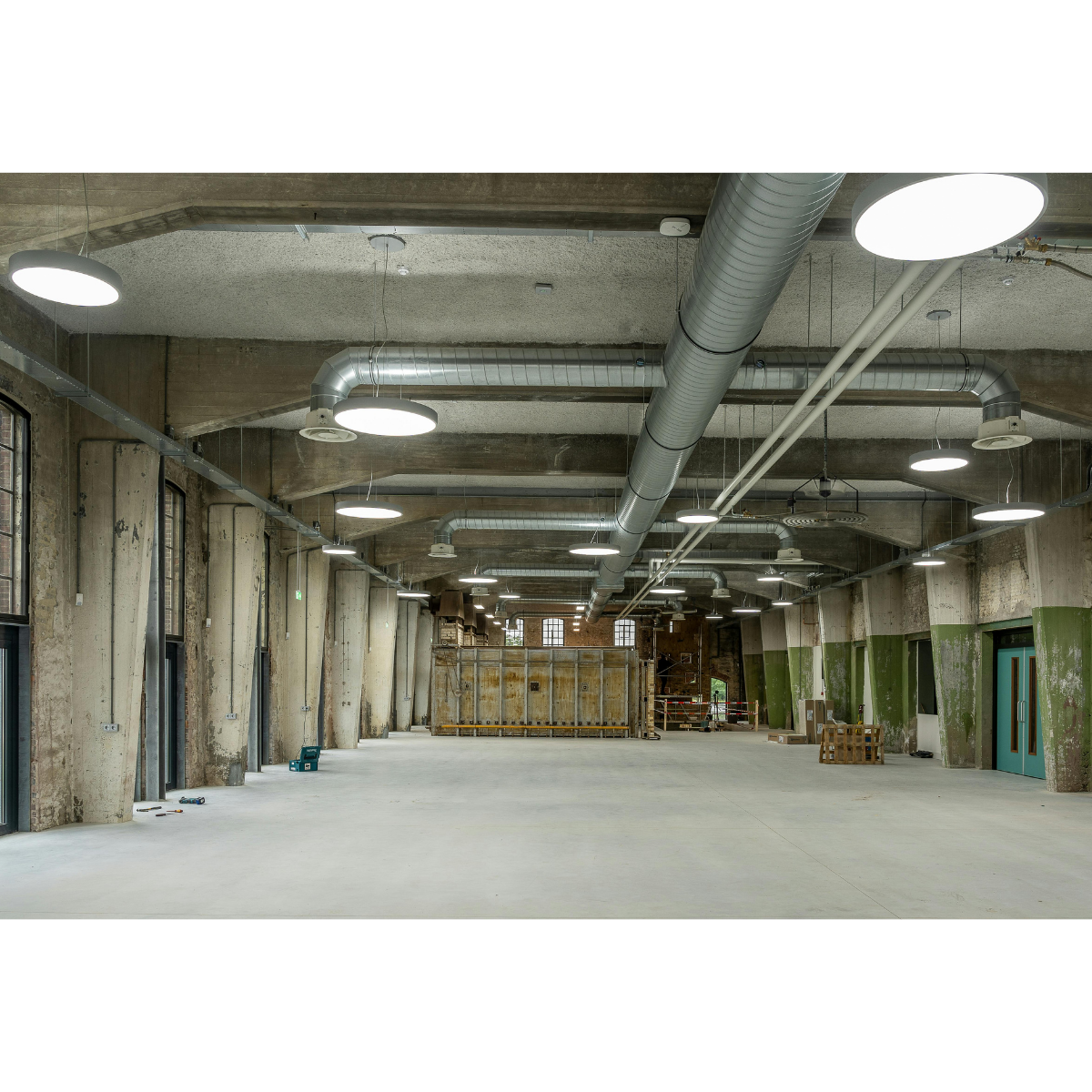
Noticed that your place of work feels a little dingier throughout December and January? In winter, reduced daylight hours and unpredictable weather conditions make emergency lighting more vital than ever. If you want to keep employees and customers safe while navigating darker car parks, stairwells, and exit routes, checks are essential.
During the winter months, the battery performance of emergency lighting naturally decreases due to the cold conditions. This can sometimes reduce runtime and put people at risk. With regular testing, you can ensure your emergency lights illuminate escape routes during power outages, which become more common during winter storms and adverse weather.
In terms of frequency, we generally recommend monthly function tests and annual three-hour duration tests as a minimum. It’s best to pay particular attention to external emergency signage, which may be affected by moisture ingress or temperature fluctuations.
Need installations and upgrades? Explore our commercial & industrial lighting services.
Commercial Electrician Support for Seasonal Demands
Beyond emergency lighting performance, you also have to consider the impact of increased electrical usage. Heating equipment, additional lighting to compensate for shorter days, and increased indoor occupancy all contribute to higher electrical loads. This can expose weaknesses in your electrical infrastructure that might otherwise remain hidden. By booking a qualified commercial electrician, you’ll be able to find out whether your current system capacity meets winter demands.
Professional electrical support becomes particularly valuable when integrating supplementary heating solutions. If you tend to use portable heaters and heat pumps, they must be properly tested/installed and connected to appropriate circuits to prevent overloading.
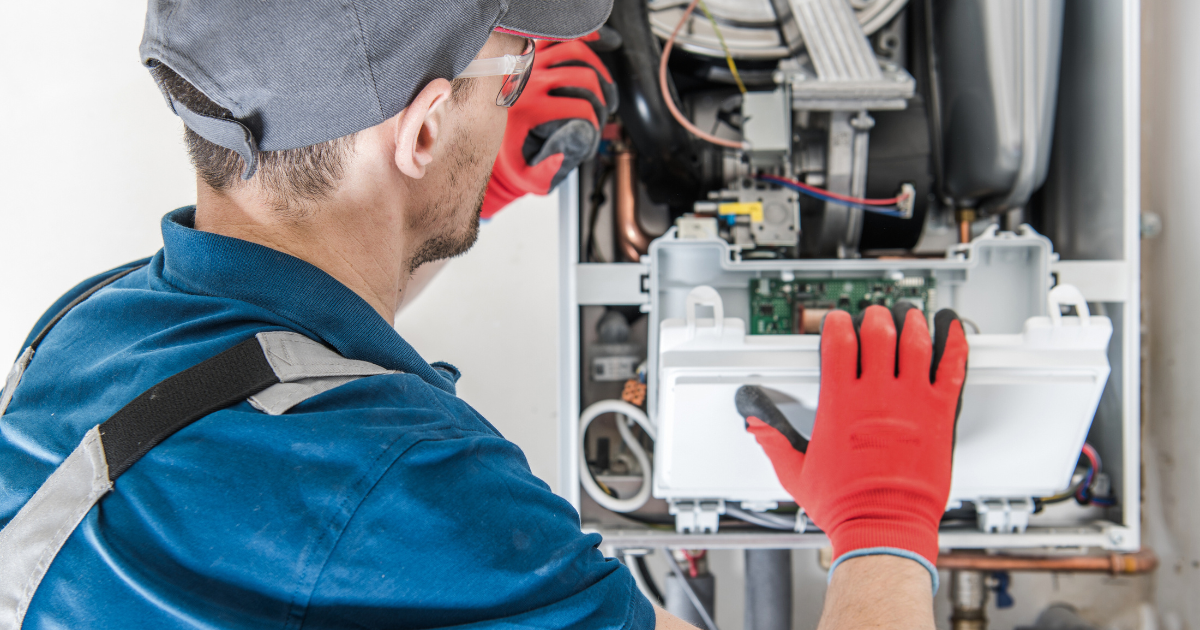
Need new plumbing and heating? Our expert teams ensure safe installation that complies with current regulations whilst optimising energy efficiency.
Electrical Safety Precautions During Cold Weather
So, what else do you need to be aware of? As a business, you need to look out for the following warning signs:
Water ingress: During particularly cold or wet winters, water ingress becomes a big concern as rain, snow, and ice can start to affect building exteriors. To prevent this, any external electrical equipment, junction boxes, or weatherproof sockets should be thoroughly inspected for compromised seals or water damage that could create serious shock hazards.
Condensation: Condensation poses another winter risk. When warm indoor air meets cold surfaces, moisture accumulates in unexpected places, including electrical enclosures and distribution boards. This moisture can cause short circuits, equipment failure, or dangerous electrical faults.
Extension leads and portable heating equipment: Heating equipment and extension cables require particular attention during the winter months. We strongly advise against daisy-chaining extension leads or connecting high-wattage heating appliances to shared circuits. Each heater should have a dedicated power source, and all equipment should be PAT tested to ensure safe operation.
CCTV: CCTV maintenance is another important consideration that often gets overlooked. The combination of darker days and colder weather means that exterior CCTV systems should be checked for functionality and weatherproofing. If you notice moisture build-up, you can use anti-fog cleaning treatment to prevent blurring and smudging.
Although winter can be a busy time for many businesses, checks should still be made a priority. When these things are overlooked, you can end up putting staff and customers at serious risk.
Signs of Danger
While carrying out checks on your electrical equipment, you may occasionally find issues that require urgent attention. You need to act immediately if you spot any of the following:
- Burning smells or scorch marks: Any burning odour near electrical equipment or visible charring around sockets, switches, or panels indicates dangerous overheating and potential fire risk.
- Frequent circuit breaker trips: If breakers trip repeatedly, this signals that circuits are overloaded or there's a fault that could lead to equipment damage or electrical fire.
- Buzzing or crackling sounds: Unusual noises from electrical panels, outlets, or switches suggest loose connections or arcing, both of which pose serious safety hazards.
- Warm or hot switches and sockets: Electrical fittings should remain cool to the touch. Heat indicates dangerous resistance or overloading that requires immediate investigation.
- Visible sparks: Any sparking from outlets, switches, or equipment represents an immediate fire hazard and should be addressed by shutting off power and calling a qualified electrician.
- Discoloured outlets or switches: Yellow, brown, or black discolouration around electrical fittings indicates heat damage from poor connections or overloading.
Never ignore these warning signs, especially as winter approaches and electrical demands increase. What seems like a minor issue can quickly escalate into a dangerous situation.
Identifying Risks Before They Escalate with Electrical Inspections
A comprehensive electrical inspection is one of the best ways to keep people safe and prevent costly disruptions. Bringing in the professionals allows you to identify everything from deteriorating connections to potential failure points that might compromise operations during peak demand periods.
Explore Our Services
Winter maintenance for electrical and heating systems protects your business, employees, and customers from what are usually very preventable disruptions and safety hazards.
Feel you might be due for a professional test? Don't wait until problems emerge under winter pressure. Contact our team today to schedule your winter electrical and heating system inspection. We'll ensure your business remains safe and compliant throughout winter and beyond.