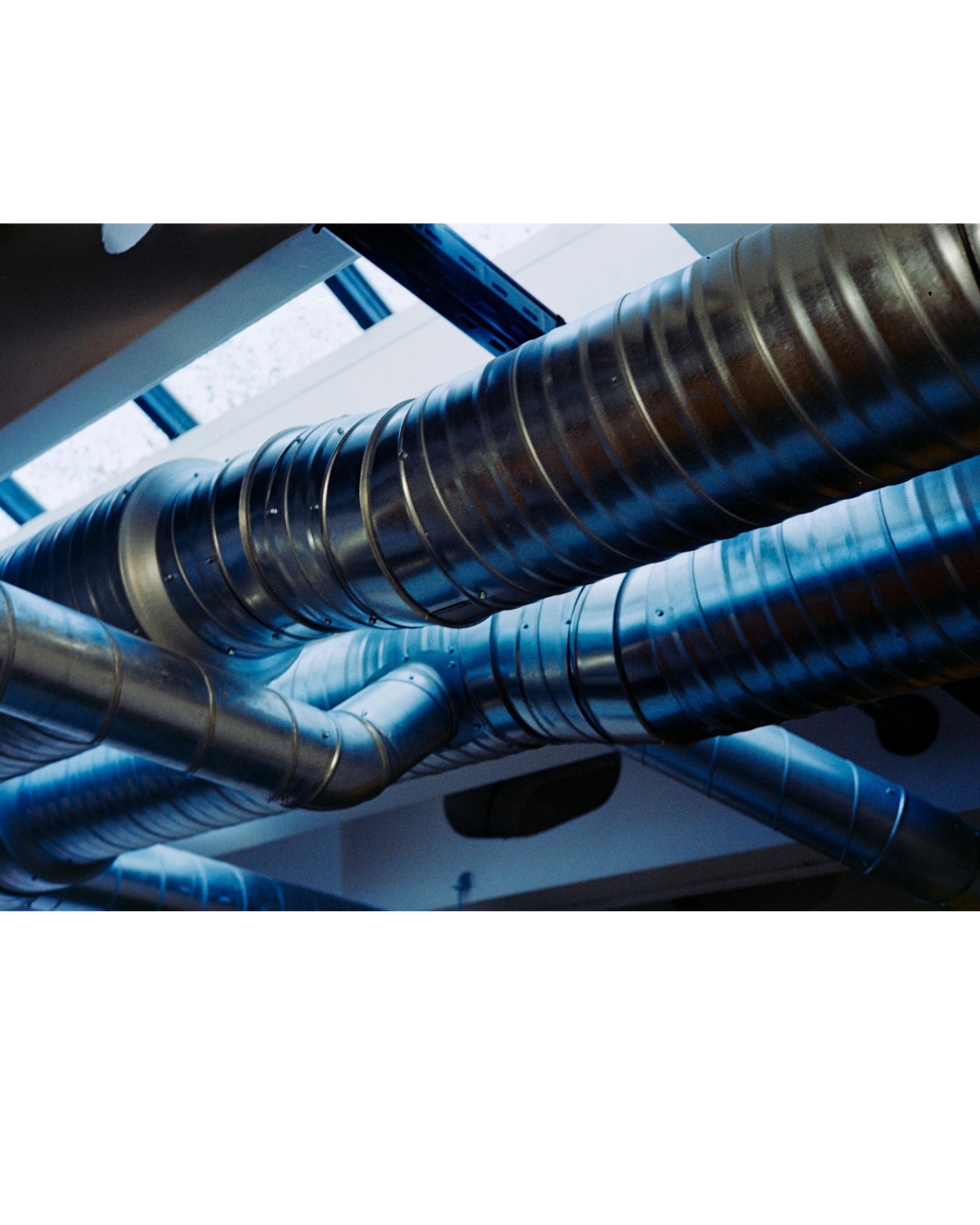
Commercial HVAC Maintenance: How Proper Ventilation Improves Efficiency and Air Quality
Indoor air quality and thermal comfort directly shape how healthy, comfortable, and focused staff feel throughout the working day. When heating, cooling, and airflow equipment runs smoothly, commercial buildings maintain fresh air and steady temperatures without wasting energy.
Neglecting routine HVAC maintenance leads to clogged filters, rising utility bills, and stagnant indoor environments that disrupt daily operations. Understanding how proper ventilation works helps business owners and facilities managers protect both occupant well-being and building efficiency.
At Highland Services, our multi-disciplined team delivers mechanical contracting, building maintenance, and interior construction across commercial properties. We help organisations keep their environmental control systems operating cleanly, reliably, and efficiently throughout every season.
How Commercial Ventilation Systems Boost Workplace Air Quality
Modern commercial ventilation systems continuously extract stale, humid indoor air while drawing in fresh, filtered outdoor air. Without adequate air exchange, carbon dioxide, volatile organic compounds, and airborne allergens quickly accumulate inside busy offices and workspaces.
High indoor carbon dioxide levels cause fatigue and sluggish decision-making, as research shows stale office air reduces productivity across commercial teams. Properly balanced airflow removes excess moisture and pollutants, preventing condensation, damp patches, and mould growth across building interiors.
Keeping ventilation systems clear of dust and biological build-up ensures cleaner breathing air and fewer staff sick days. Regular ductwork inspections and filter replacements maintain healthy indoor air quality that satisfies UK workplace safety regulations.
Cutting Energy Waste Through Routine HVAC Maintenance
Heating, cooling, and air movement typically account for a substantial portion of a commercial building's monthly electricity and gas expenditure. When filters become blocked with dirt or heat exchanger coils accumulate grime, fans and compressors must work much harder.
This extra mechanical strain increases static pressure across ductwork, driving up power consumption while accelerating component wear and tear. Implementing scheduled HVAC maintenance restores optimal airflow resistance, allowing motors and heat recovery units to operate at peak efficiency.
Partnering with experienced specialists in plumbing, heating, and ventilation helps businesses identify energy leaks and recalibrate thermostat controls. Well-maintained systems consume significantly less energy, lowering operational overheads and supporting corporate carbon reduction goals.
Essential Air Handling Unit Maintenance for Reliable Performance
Air handling units (AHUs) act as the central lungs of larger commercial premises, conditioning and distributing air throughout every zone. These complex assemblies house supply and extract fans, heating and cooling coils, dampers,and multi-stage filtration banks.
Comprehensive air handling unit maintenance involves checking drive belts, lubricating fan bearings, inspecting condensate drain pans, and testing actuator dampers. Catching worn bearings or sticking dampers early prevents sudden system shutdowns during extreme summer heatwaves or freezing winter mornings.
Engineers also verify differential pressure gauges and clean internal casings to stop microbial growth from entering supply ducts. Routine servicing extends equipment lifespan and ensures consistent airflow across open-plan offices, meeting rooms, and industrial workspaces.
Integrating Mechanical Care with Commercial Electrical Maintenance
Modern environmental control equipment relies heavily on sophisticated electrical switchgear, variable speed drives, sensors, and automated building management controls. Even the cleanest mechanical ductwork cannot perform properly if control panels, relays, or motor wiring develop electrical faults.
Combining mechanical servicing with routine commercial electrical maintenance ensures that fan motors, isolators, and control circuits remain safe and responsive. Thermal imaging and electrical load checks detect loose connections or overheating components before they trigger costly equipment breakdowns.
Coordinating electrical and mechanical inspections under one unified maintenance programme streamlines compliance and eliminates gaps between different contractors. Taking an integrated approach protects sensitive control electronics while keeping both heating and ventilation running seamlessly.
Optimising Commercial Ventilation Systems for Long-Term Efficiency
Investing in regular servicing for your commercial ventilation systems protects occupant health, boosts workplace concentration, and keeps utility bills under control. Proactive care transforms heating and air conditioning equipment from an expensive liability into a reliable, energy-efficient business asset.
Ignoring minor warning signs, such as noisy fans, uneven room temperatures, or stuffy air, often leads to expensive emergency repairs. Following a structured preventative maintenance schedule prevents unexpected downtime and ensures your premises remain comfortable and compliant year-round.
If you are ready to improve indoor air quality or arrange a technical site inspection, our experienced engineers can help. Please contact Highland Services today to discuss your mechanical and building maintenance needs with our team.